Falling asleep is not just a matter of winding down. Your core temperature has to drop by one to two degrees Fahrenheit for you to fall asleep and to stay in the deep, restorative stretches of the night. That drop is a physical process, and your bed either helps it along or gets in its way.
A mattress that holds heat acts as an insulator. The heat your body is trying to shed has nowhere to go, so it comes back to you. That is what is behind the two in the morning wake-up, the kicked-off covers, the night sweats and the tossing that never quite turns into sleep. It is rarely one thing. It is usually the bed as a whole.
Cooling is more than the cover
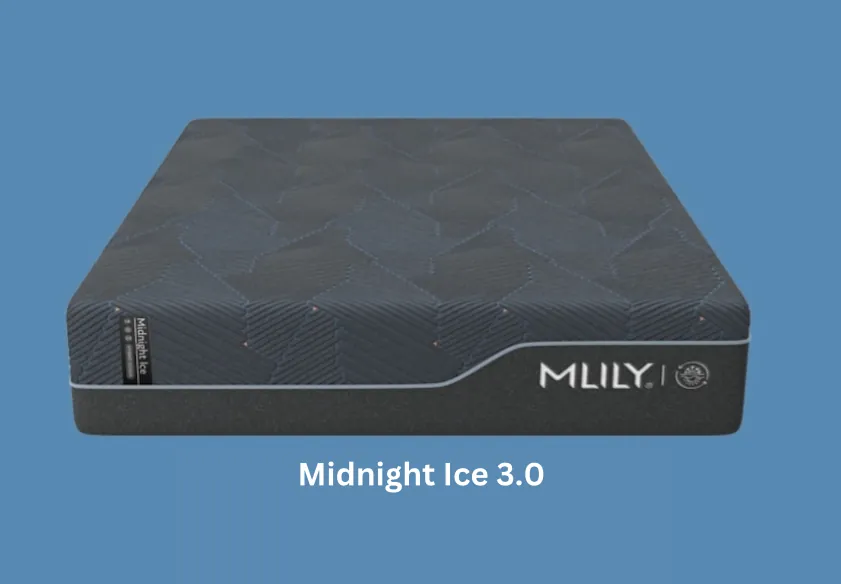
Nearly every mattress on the market now says something about cooling, and nearly all of it is about the fabric on top. A cool-to-the-touch cover is real, and it is the first thing you feel when you lie down. It is also the first thing to give up. Once the surface has warmed to your body, whatever is underneath decides how the rest of the night goes.
The beds that keep working past midnight do something structural. Foam that is ventilated or gel-infused lets heat move through it rather than banking it. Copper and gel particles pull heat away from the places you press hardest. Pocketed springs leave air space where solid foam would leave none. None of that is visible from the showroom floor, which is why it is worth asking what a mattress is made of and not just what its cover is called.
Start where you are
If you are not in the market for a new mattress, you are not stuck. The layers between you and the mattress matter more than most people expect, and they are the cheapest things in the store to change.
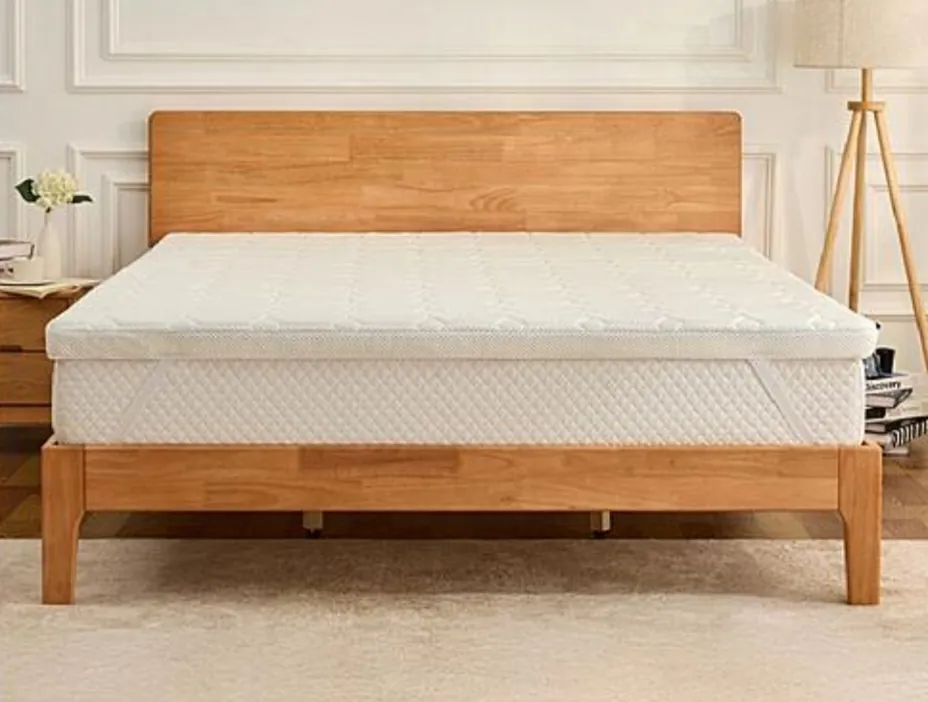
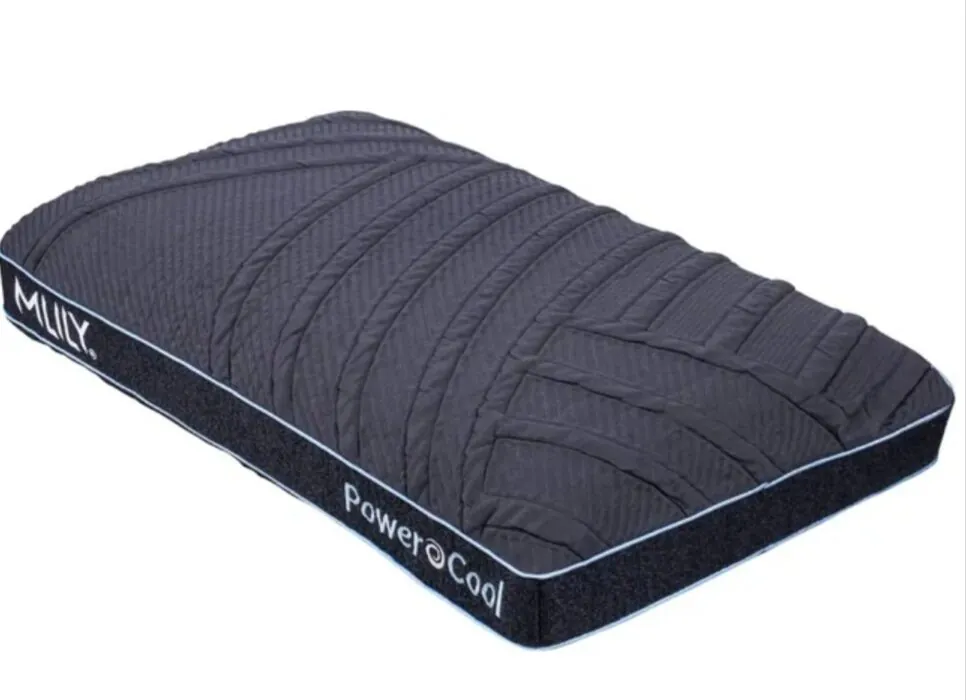
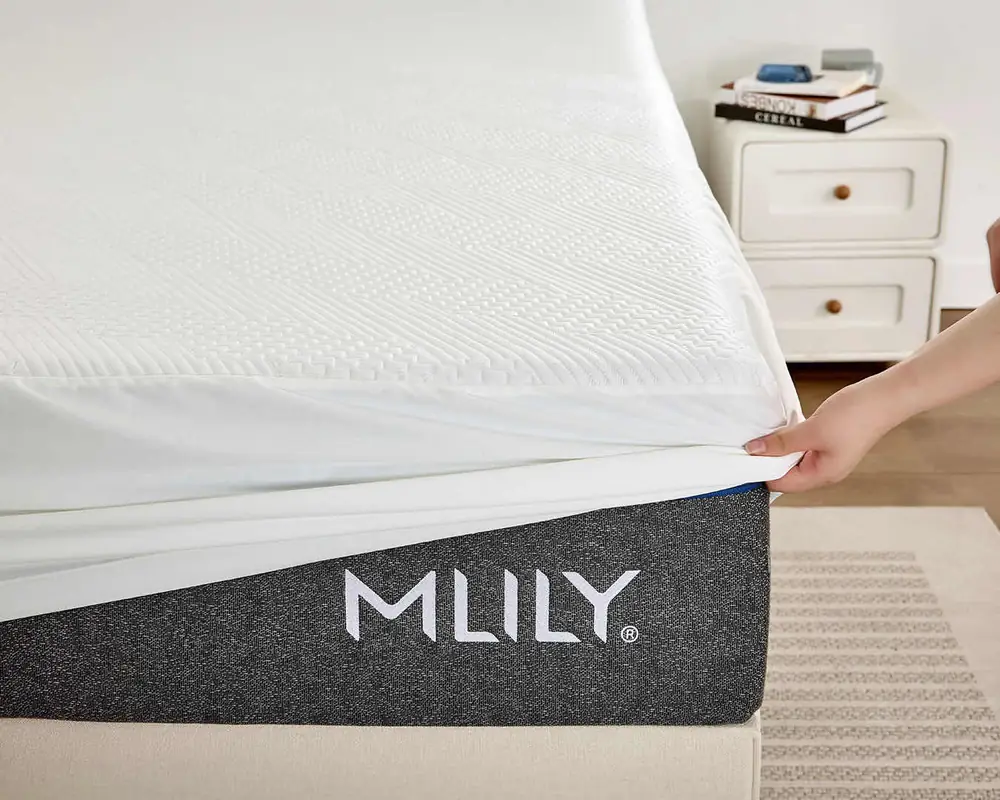
Sheets come first. Bamboo, Tencel and long-staple cotton breathe and move moisture; heavy microfiber does the opposite. Your pillow comes next, because your head and neck give off a surprising share of your body heat, and a solid foam pillow traps a pocket of warm air right where you least want it. Then the protector, which is worth checking even if you already own one: a lot of waterproof protectors are a sheet of plastic under a nice fabric, and that plastic will undo a cooling mattress on its own. A gel topper is the last stop before a new mattress, and it changes more than its price suggests.
Work down that list in order and most people find their answer before they get to the bottom of it.